how many calories to eat when building muscle How many calories should i eat when working out to gain muscle
When it comes to my fitness journey, one of the most common questions I ask myself is: “How many calories do I need to lose fat but gain muscle?” It’s a tricky balance, but with the right approach, it’s definitely achievable. Let’s dive into the science behind it and understand how we can optimize our calorie intake for maximum results.
Understanding the Basics
First things first, it’s essential to understand that both losing fat and gaining muscle require a calorie deficit or surplus, respectively. To lose fat, you need to consume fewer calories than your body burns, while gaining muscle requires a calorie surplus. Finding the right balance can be a game-changer in achieving that lean and toned physique we all strive for.
While there is no one-size-fits-all answer to the question, a general rule of thumb for losing fat and gaining muscle is to create a moderate calorie deficit. Cutting down too many calories can hinder muscle growth, whereas not being in a calorie deficit will stall fat loss. Striking the right balance is key.
Calculating Caloric Needs
Now, let’s get to the heart of the matter - how many calories should I eat when working out to gain muscle and lose fat? The answer lies in understanding your Total Daily Energy Expenditure (TDEE), which takes into account your basal metabolic rate (BMR) and physical activity level.
To calculate your TDEE, multiply your BMR by an activity factor. Activities are usually categorized into four levels - sedentary, lightly active, moderately active, and very active. Once you determine your activity level, multiply your BMR by the corresponding factor:
- Sedentary (little or no exercise): BMR x 1.2
- Lightly active (light exercise/sports 1-3 days/week): BMR x 1.375
- Moderately active (moderate exercise/sports 3-5 days/week): BMR x 1.55
- Very active (hard exercise/sports 6-7 days a week): BMR x 1.725
Once you have your TDEE, you can determine the calorie intake required based on your goals. To lose fat, aim for a calorie deficit of 10-20% below your TDEE. For muscle gain, aim for a calorie surplus of around 10-20% above your TDEE.
Choosing the Right Foods
While calories are important, it’s equally crucial to focus on the quality of the foods you consume. Optimal nutrition plays a vital role in fueling your workouts, promoting muscle growth, and aiding fat loss.
When aiming for fat loss, prioritize nutrient-dense, whole foods that are low in calories but high in vitamins, minerals, and fiber. Incorporate plenty of fruits, vegetables, lean proteins, whole grains, and healthy fats into your diet.
On the other hand, when your goal is muscle gain, it’s important to consume enough protein to support muscle repair and growth. Aim for around 0.7-1 gram of protein per pound of body weight. Additionally, carbohydrates are crucial for providing energy during intense workouts, so include healthy sources like whole grains, sweet potatoes, and fruits.
Listening to Your Body
While following calorie targets and focusing on the right foods is essential, it’s equally important to listen to your body and make adjustments accordingly. Everyone’s metabolism and response to different diets and workouts are unique, so it’s essential to be flexible and make changes when needed.
If you’re not seeing the desired results, you may need to adjust your calorie intake slightly. Monitor your progress, take body measurements, and assess how you feel during workouts. Making small tweaks along the way can make a significant difference in your overall progress.
 Image Source: Pinterest
Accomplishing both fat loss and muscle gain might sound complicated, but with the right approach, it’s definitely possible. Remember to be patient, stay consistent, and trust the process. With the right balance of calories, nutrient-dense foods, and regular exercise, you’ll be well on your way to achieving your fitness goals.
 Image Source: Pinterest
It’s always helpful to find additional inspiration along your fitness journey. Surround yourself with positive affirmations, motivational quotes, and people who uplift and challenge you. Remember, achieving your goals is not just about physical transformation - it’s about nurturing a healthy mindset and embracing the journey.
If you are searching about How Many Calories Should I Eat When Working Out To Gain Muscle - MCHWO you’ve visit to the right page. We have 5 Pictures about How Many Calories Should I Eat When Working Out To Gain Muscle - MCHWO like How Many Calories Should I Eat To Gain Muscle And Stay Lean - SWOHM, How Many Calories Should I Eat When Working Out To Gain Muscle - MCHWO and also How Many Calories Needed To Build Muscle – all-bodybuilding.com. Here you go:
How Many Calories Should I Eat When Working Out To Gain Muscle - MCHWO
mchwo.blogspot.commuscle workout
How Many Calories Do I Need To Lose Fat But Gain Muscle - SWOHM
swohm.blogspot.comgain calories intake surplus caloric increase increasing fittness gaining bodybuilding pikef prosbodybuilding bulking
How Many Calories Should I Eat To Gain Muscle And Stay Lean - SWOHM
 swohm.blogspot.comlean bulking stay caloric gymguider anabolic bodybuilding thehealthylife24 indeed
How Many Calories Do I Need To Build Muscle And Lose Fat - SWOHM
 swohm.blogspot.comcarbs build diet calories carbohydrate calorie getting hiit gymguider reduce gain zpr vegans
How Many Calories Needed To Build Muscle – All-bodybuilding.com
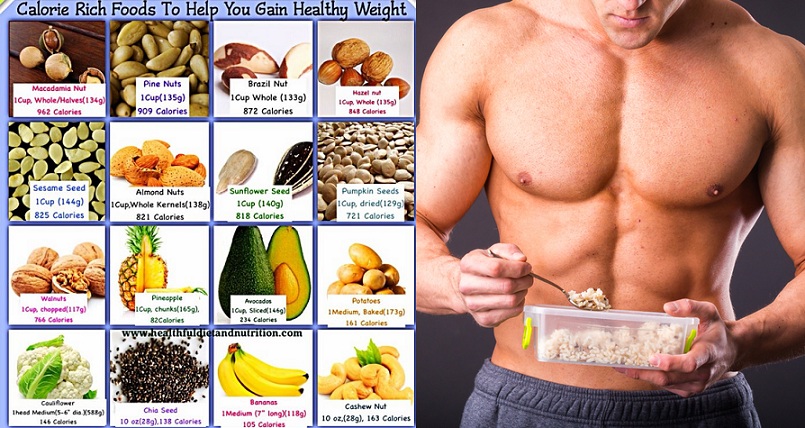 all-bodybuilding.comHow many calories should i eat when working out to gain muscle. How many calories do i need to lose fat but gain muscle. How many calories should i eat to gain muscle and stay lean