how much weight can you lose fasting every other day Lose fasting intermittent pounds hours losing far motivation losepoundsfatburning
Losing weight is a common goal for many people, but it’s important to approach it in a healthy and sustainable way. While shedding those extra pounds quickly might seem tempting, there are several dangers associated with losing weight too fast. Let’s take a closer look at why it’s crucial to prioritize gradual and long-term weight loss.
The Impact on the Body
 When you try to lose weight rapidly, your body may not have enough time to adjust to the changes. This can have negative consequences on your overall health. One of the most significant risks of losing weight too quickly is the development of fatty liver disease. This condition occurs when fat accumulates in the liver, potentially leading to inflammation and liver damage.
Fatty liver disease can be a serious health concern, as it may progress to more severe conditions such as liver cirrhosis or even liver failure. Therefore, it’s crucial to adopt a sensible weight loss approach that allows your body to gradually adjust and minimize the risk of developing such complications.
The Importance of a Balanced Approach
 Instead of aiming for rapid weight loss, focus on adopting a balanced approach that includes a combination of healthy eating and regular physical activity. This will not only help you lose weight in a sustainable way but also improve your overall well-being.
Begin by incorporating nutritious, whole foods into your diet. Include plenty of fruits, vegetables, lean proteins, and whole grains. These foods provide essential vitamins, minerals, and antioxidants that support a healthy weight loss journey. Additionally, drinking an adequate amount of water can aid in digestion and keep you feeling full.
Exercise is another key component of a balanced weight loss approach. Engage in activities that you enjoy, such as walking, swimming, or cycling. Aim for at least 150 minutes of moderate-intensity exercise per week, or 75 minutes of vigorous exercise. Regular physical activity not only helps burn calories but also improves cardiovascular health and boosts your mood.
Remember, slow and steady wins the race. Losing weight at a rate of 1-2 pounds per week is generally considered safe and sustainable. Rapid weight loss may result in muscle loss, nutrient deficiencies, and a slower metabolism, making it harder to maintain the weight loss in the long run.
In conclusion, it’s essential to approach weight loss in a healthy and gradual manner. Losing weight too fast can have detrimental effects on your body, particularly in relation to fatty liver disease. Stick to a balanced approach, incorporating nutritious foods and regular exercise, to achieve sustainable and long-lasting weight loss results. Prioritize your health and well-being above everything else, and you’ll soon notice positive changes both on the scale and in your overall quality of life.
If you are searching about Fasting To Lose Weight: How to Use Intermittent Fasting to Lose Weight you’ve came to the right web. We have 5 Images about Fasting To Lose Weight: How to Use Intermittent Fasting to Lose Weight like Pin on Lose 5 ibs, Fasting To Lose Weight: How to Use Intermittent Fasting to Lose Weight and also Fasting To Lose Weight: How to Use Intermittent Fasting to Lose Weight. Here you go:
Fasting To Lose Weight: How To Use Intermittent Fasting To Lose Weight
 www.blackdiamondbuzz.comfasting intermittent
The Dangers Of Losing Weight Too Fast - Fatty Liver Disease
fattyliverdisease.comeffects unhealthy dieting dangers
Pin On Lose 5 Ibs
www.pinterest.comlose fasting intermittent pounds hours losing far motivation losepoundsfatburning
7-Day Intermittent Fasting Meal Plan For Beginners
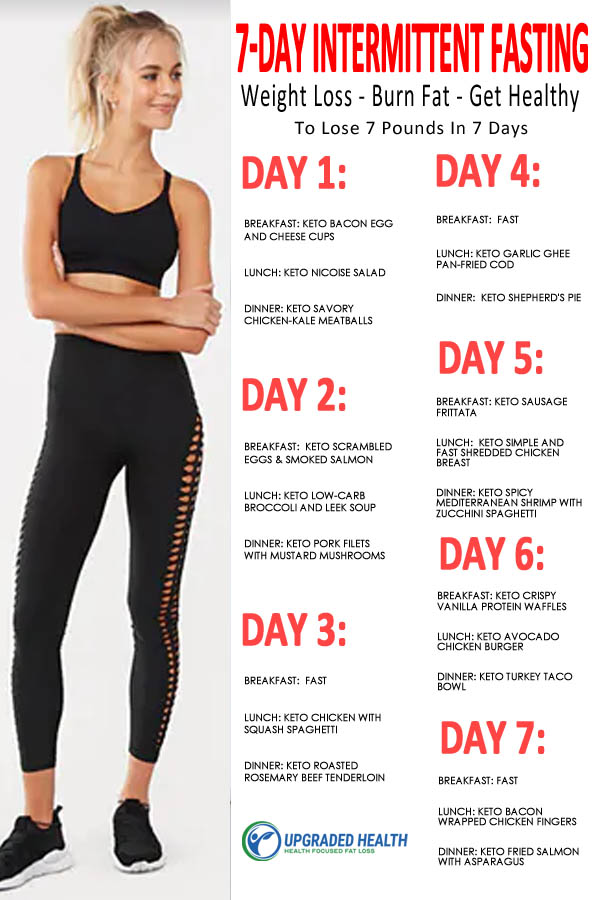 upgradedhealth.netfasting intermittent loss upgradedhealth
Pin On Healthh
 www.pinterest.comlose yoga4daily workingout
Fasting intermittent. Fasting intermittent loss upgradedhealth. Fasting to lose weight: how to use intermittent fasting to lose weight